




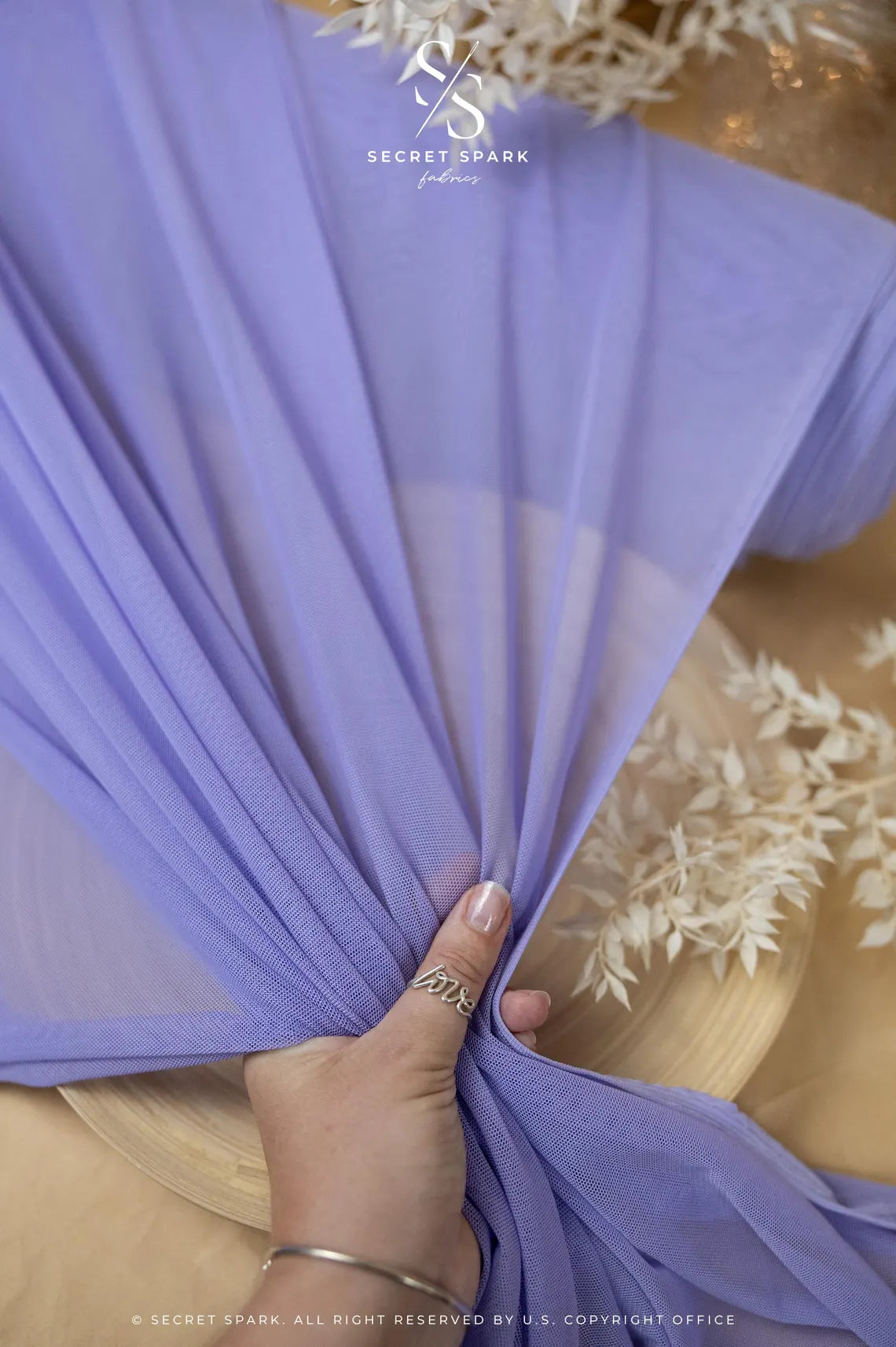
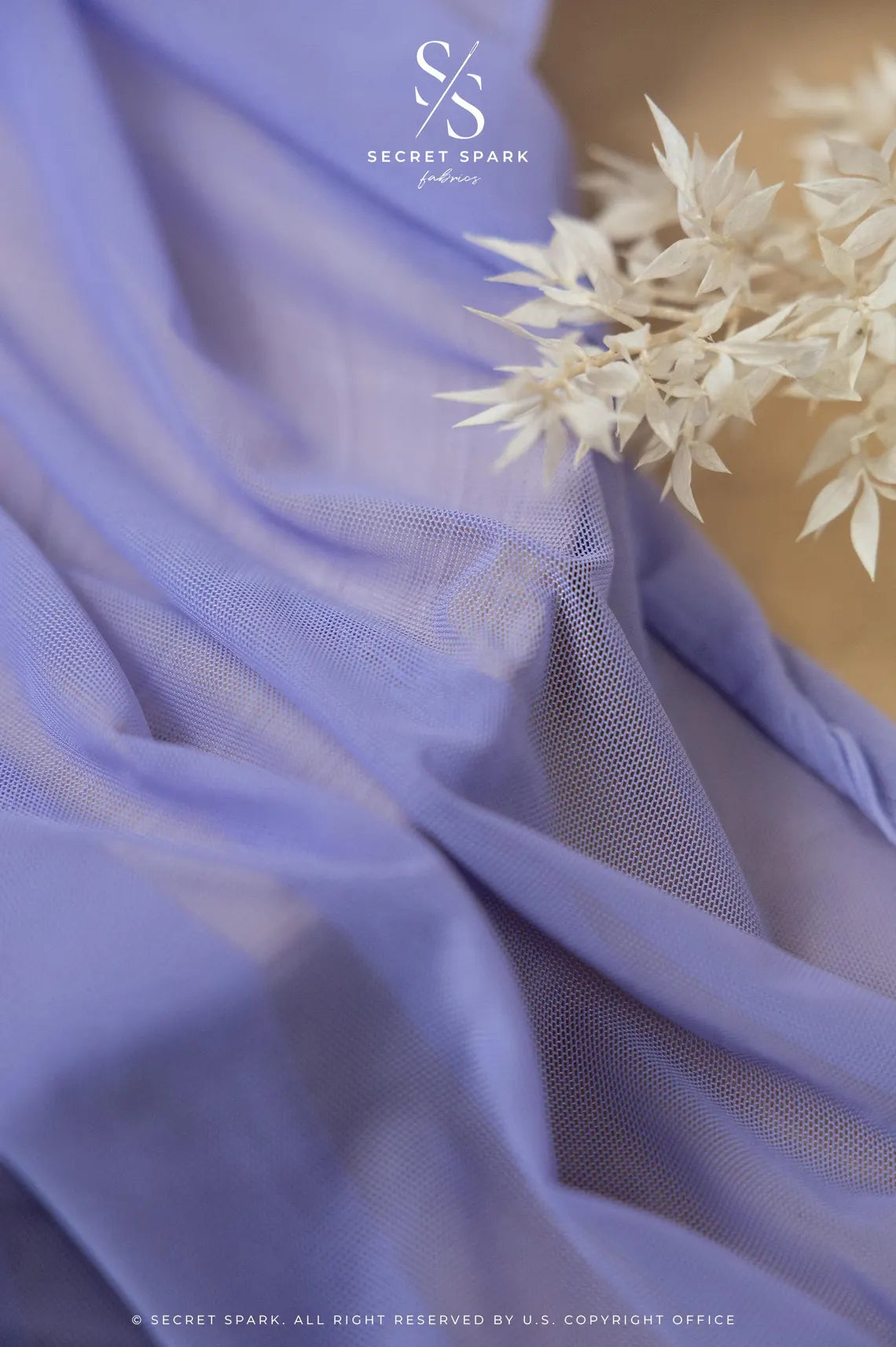
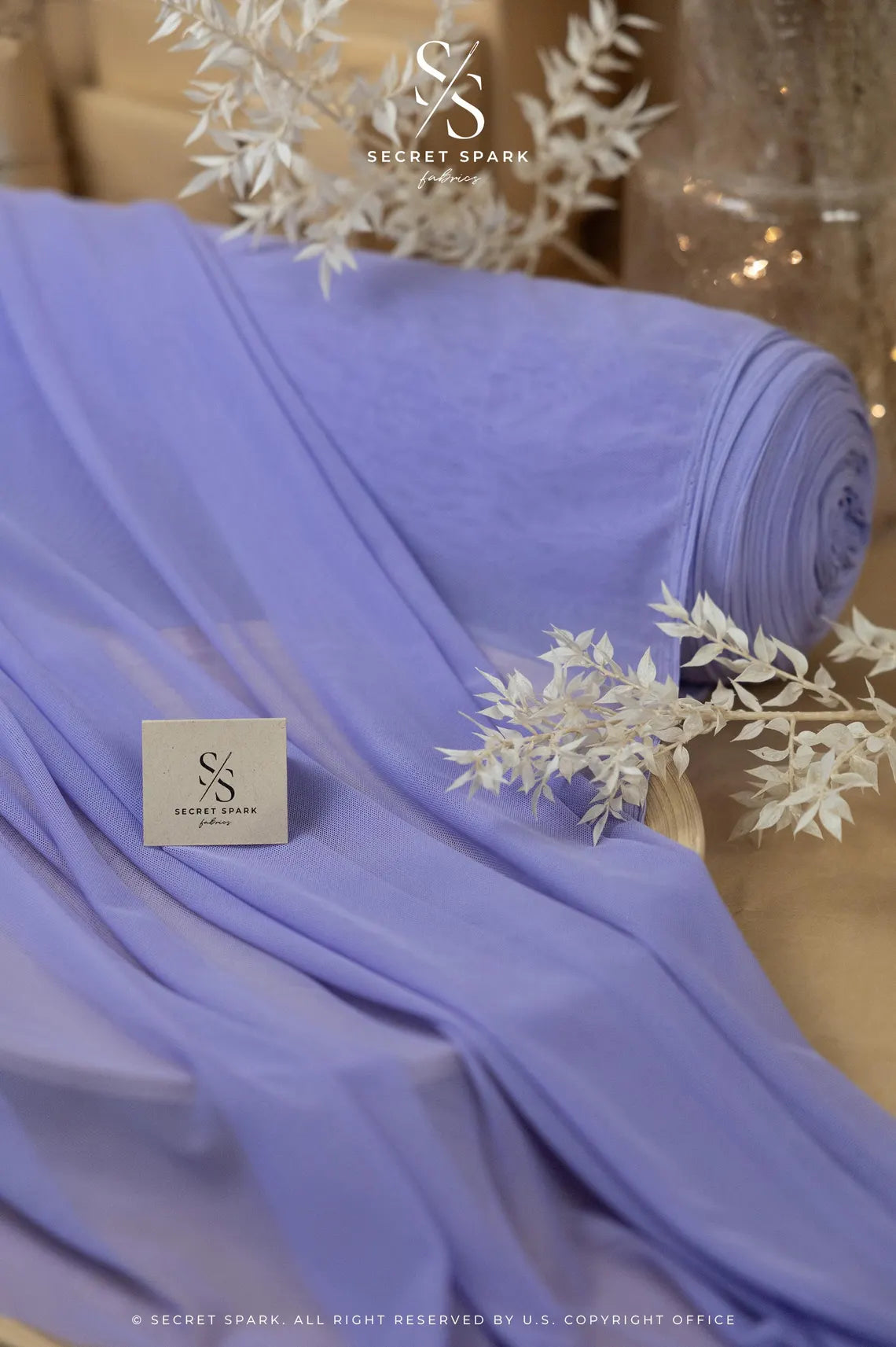
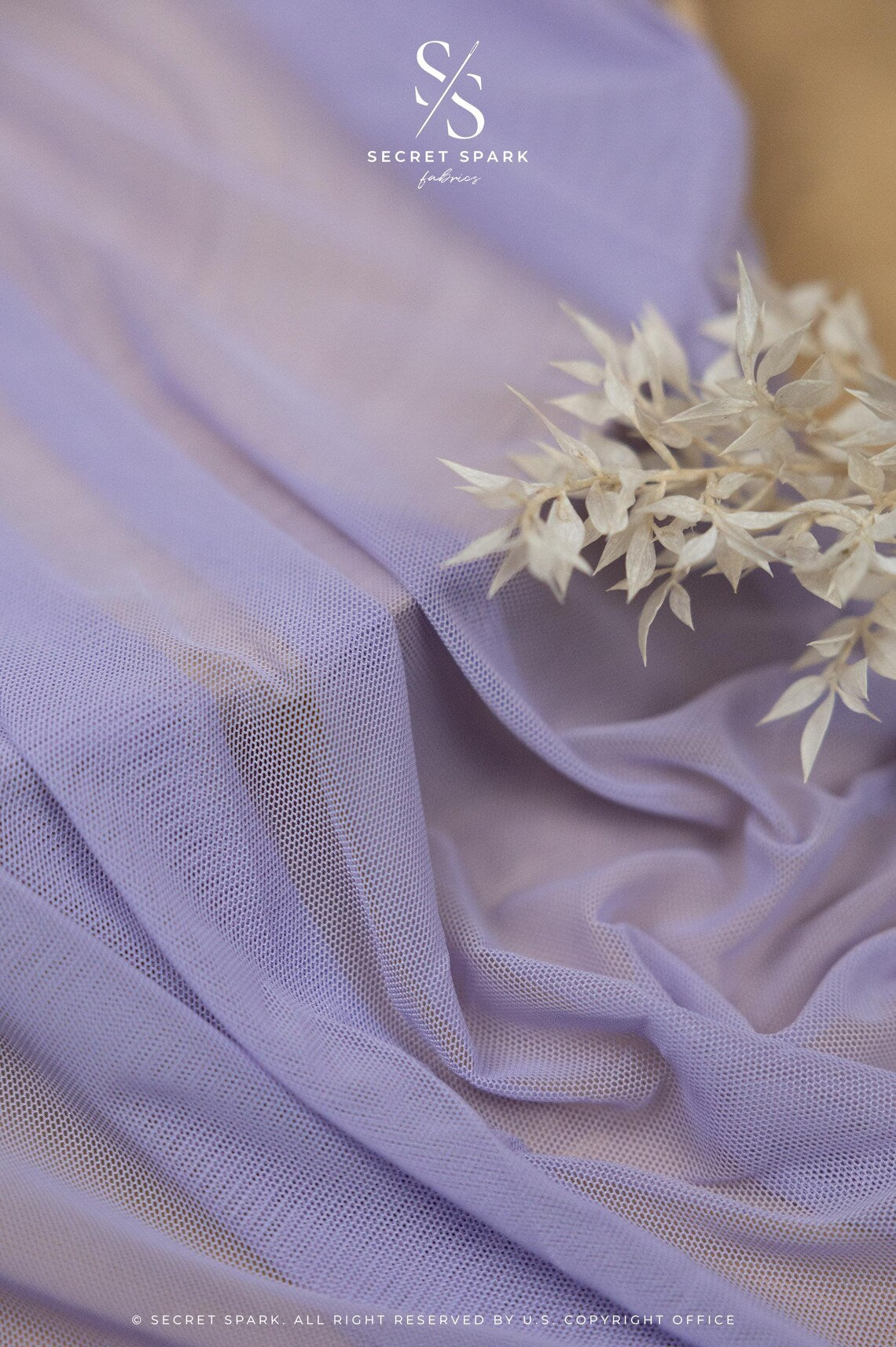
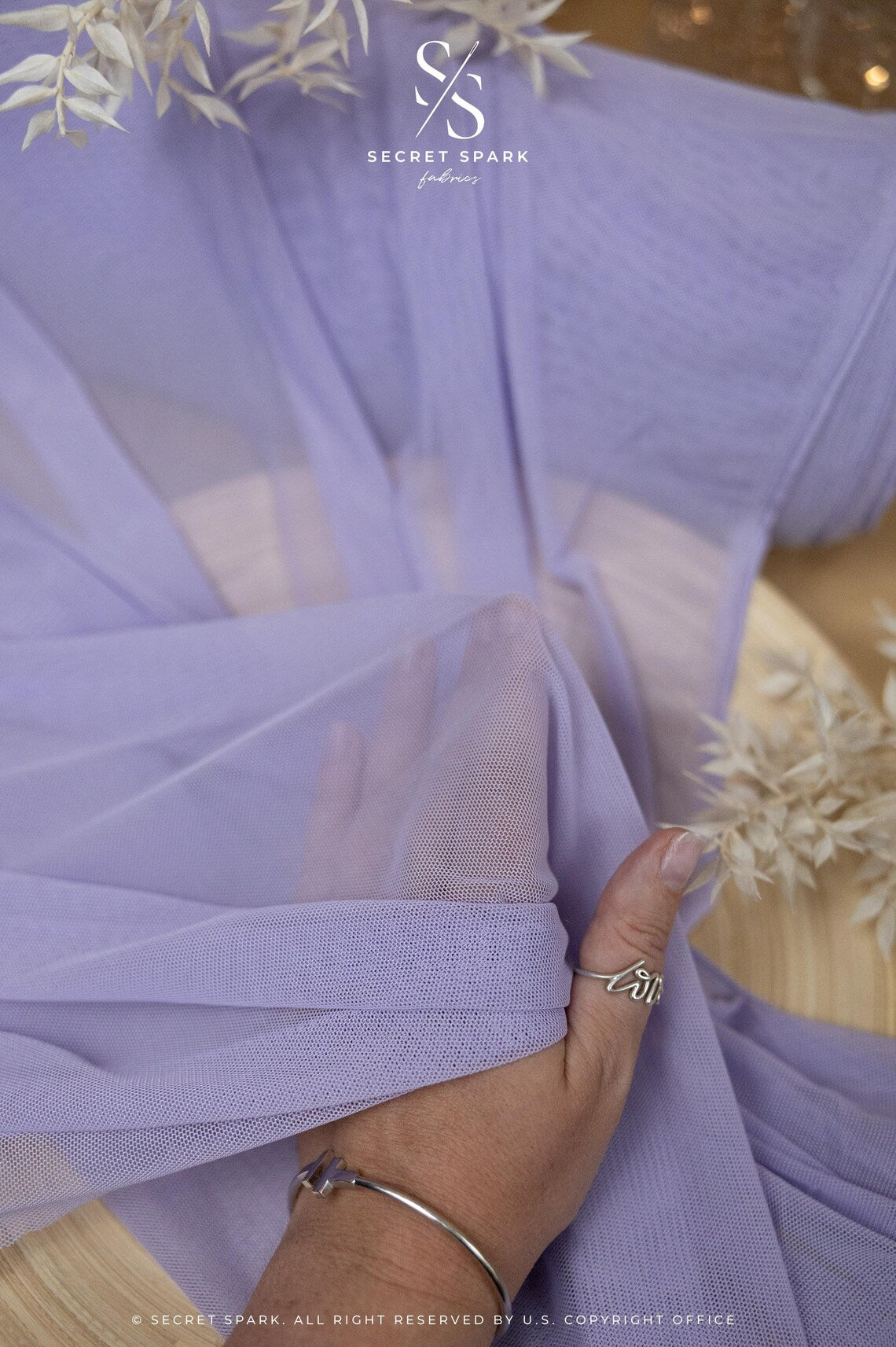
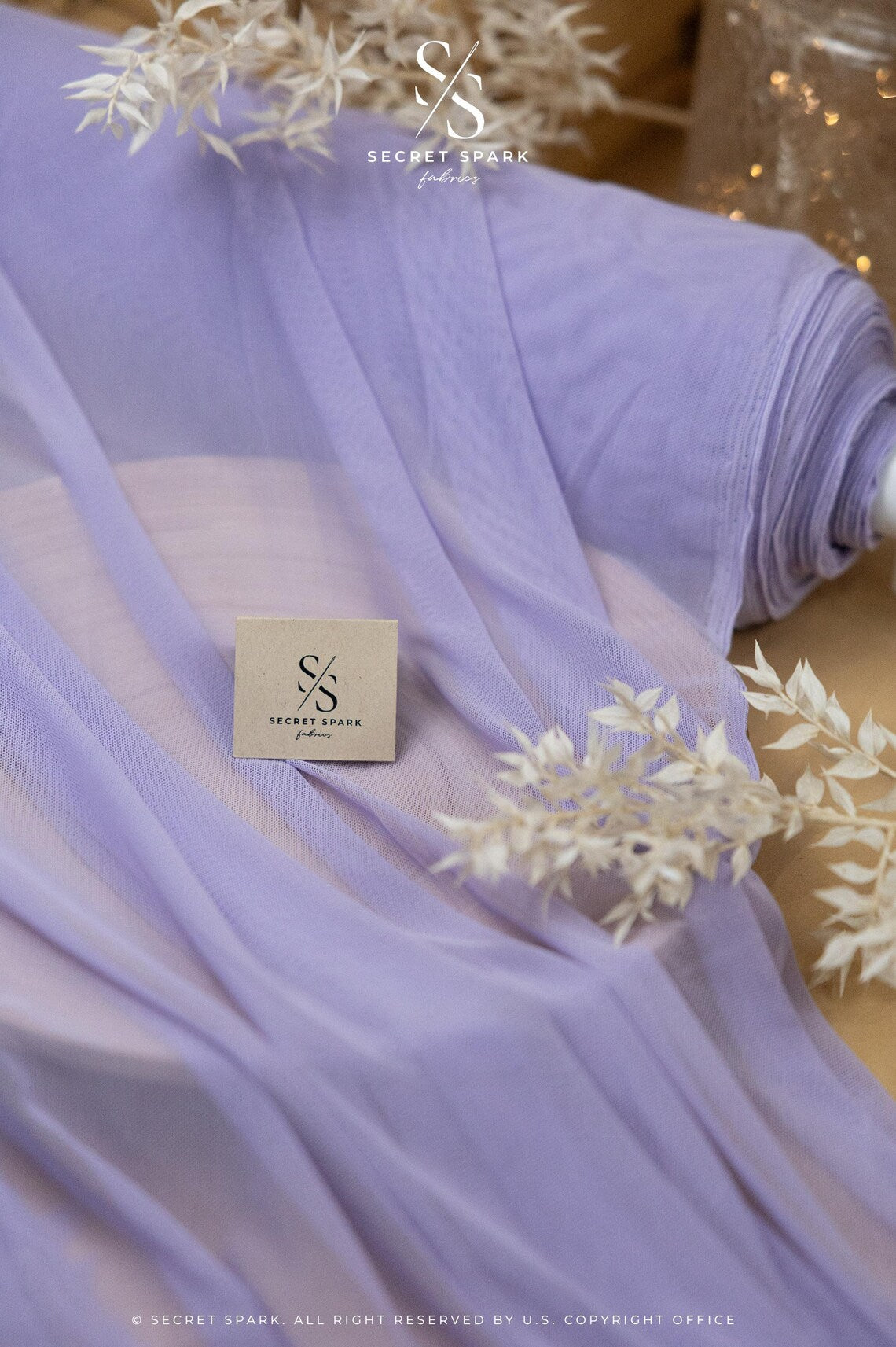
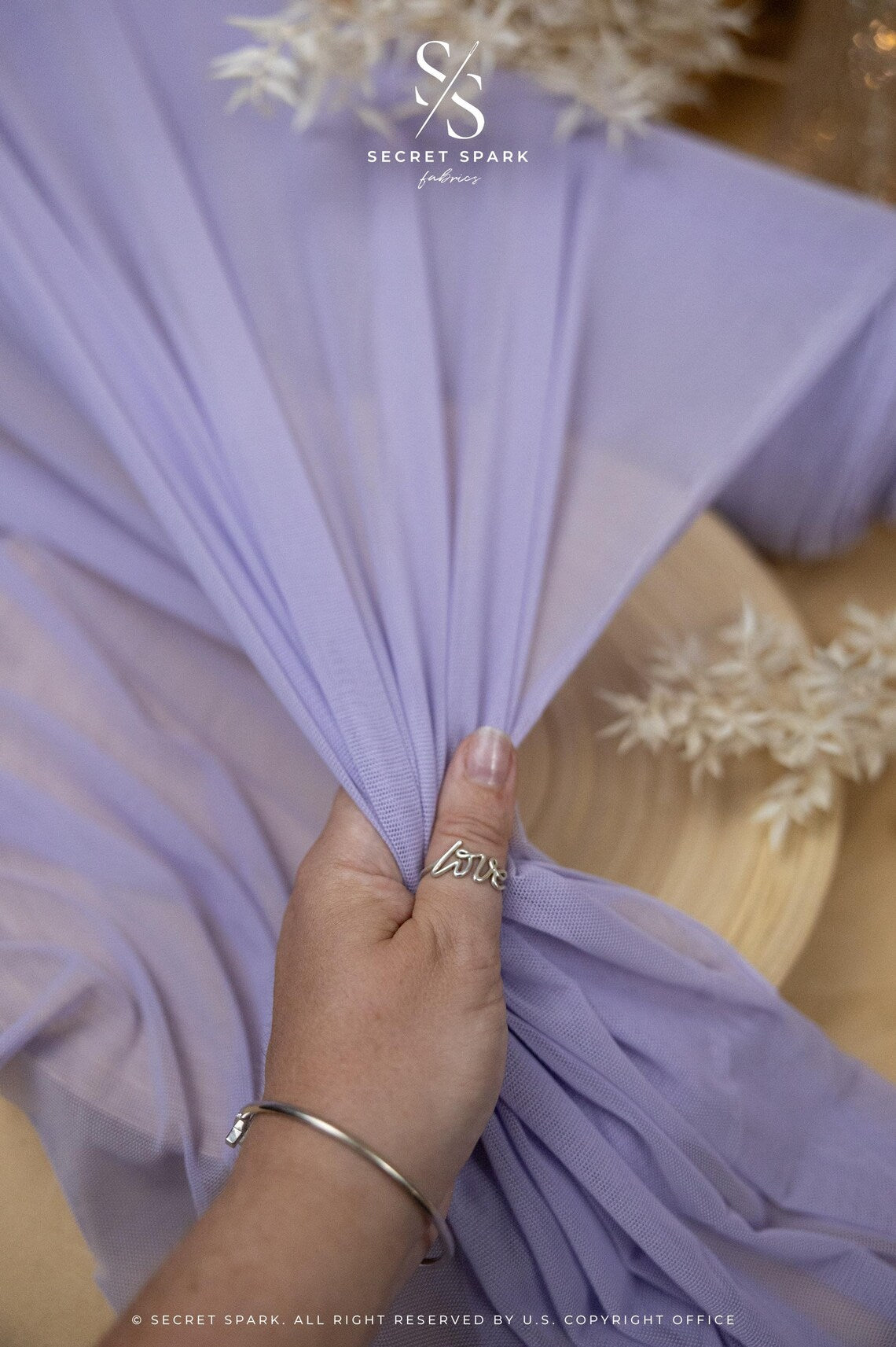
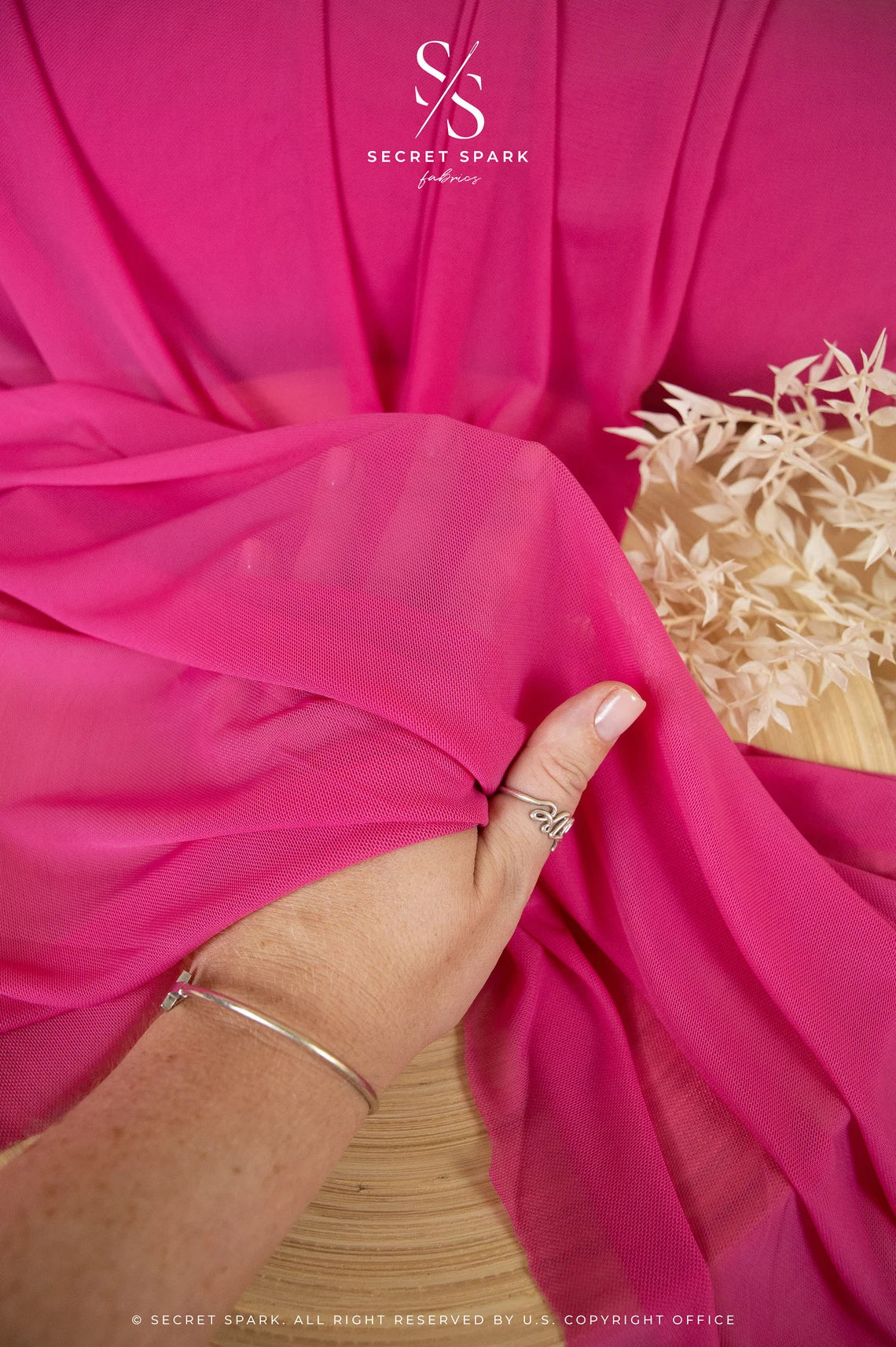
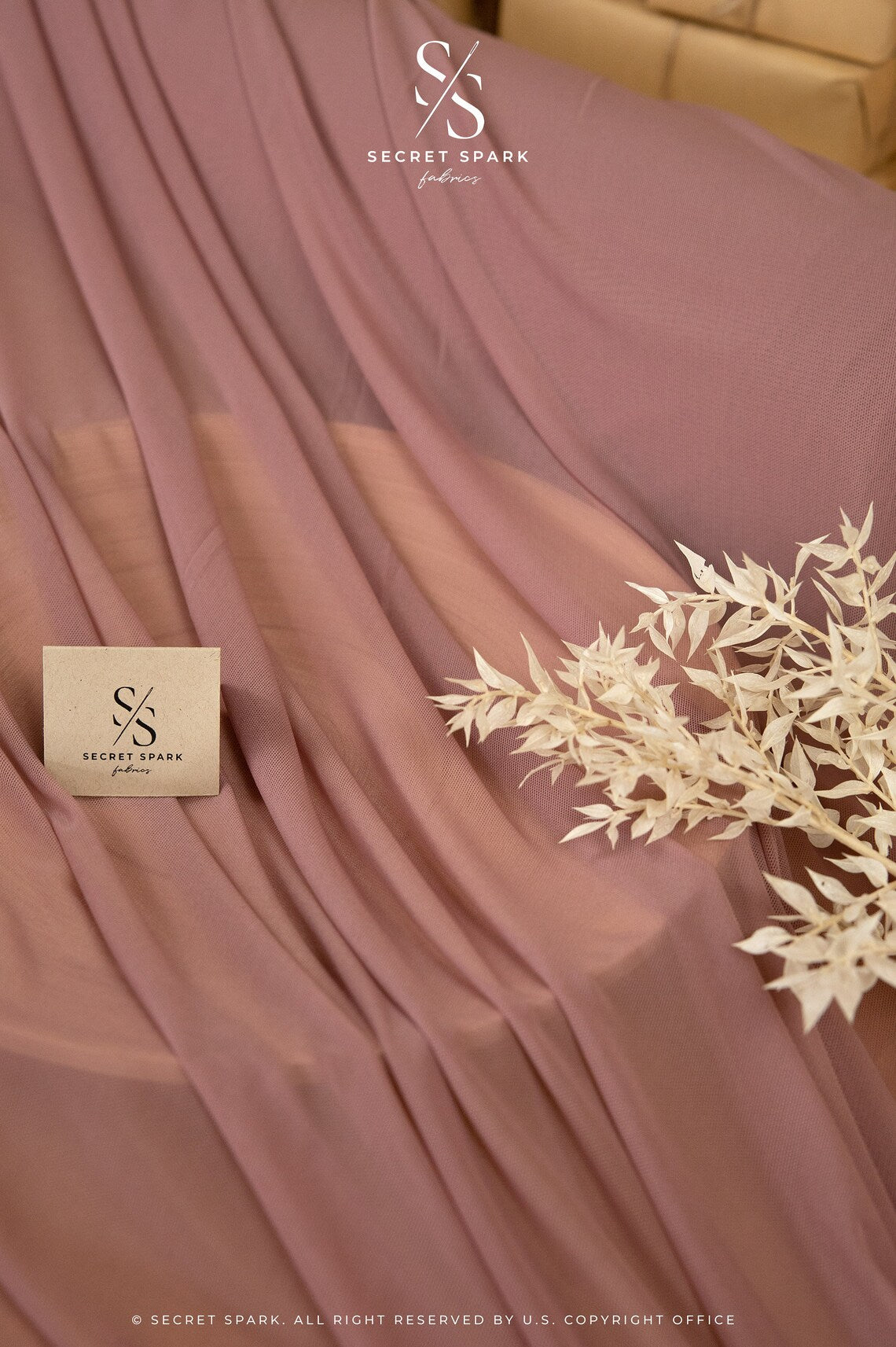
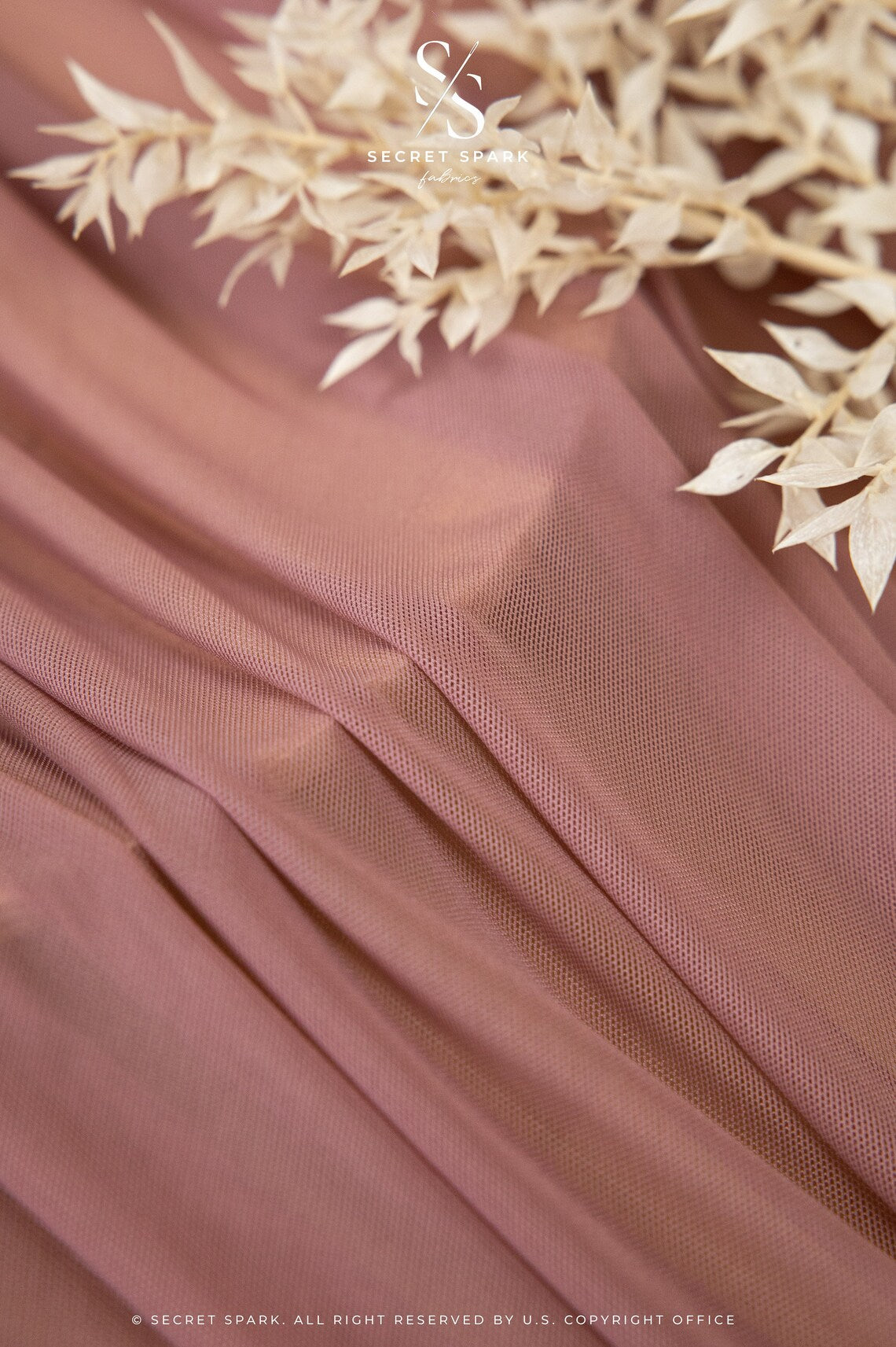
Swimwear fabric has different requirements than any other textile application. It needs to stretch repeatedly without losing recovery it needs to resist chlorine salt water and UV degradation and it needs to feel comfortable against bare skin while maintaining its color through dozens of swims. The right swimwear fabric handles all of this simultaneously. The wrong one fades bags out or becomes translucent after a few wears.
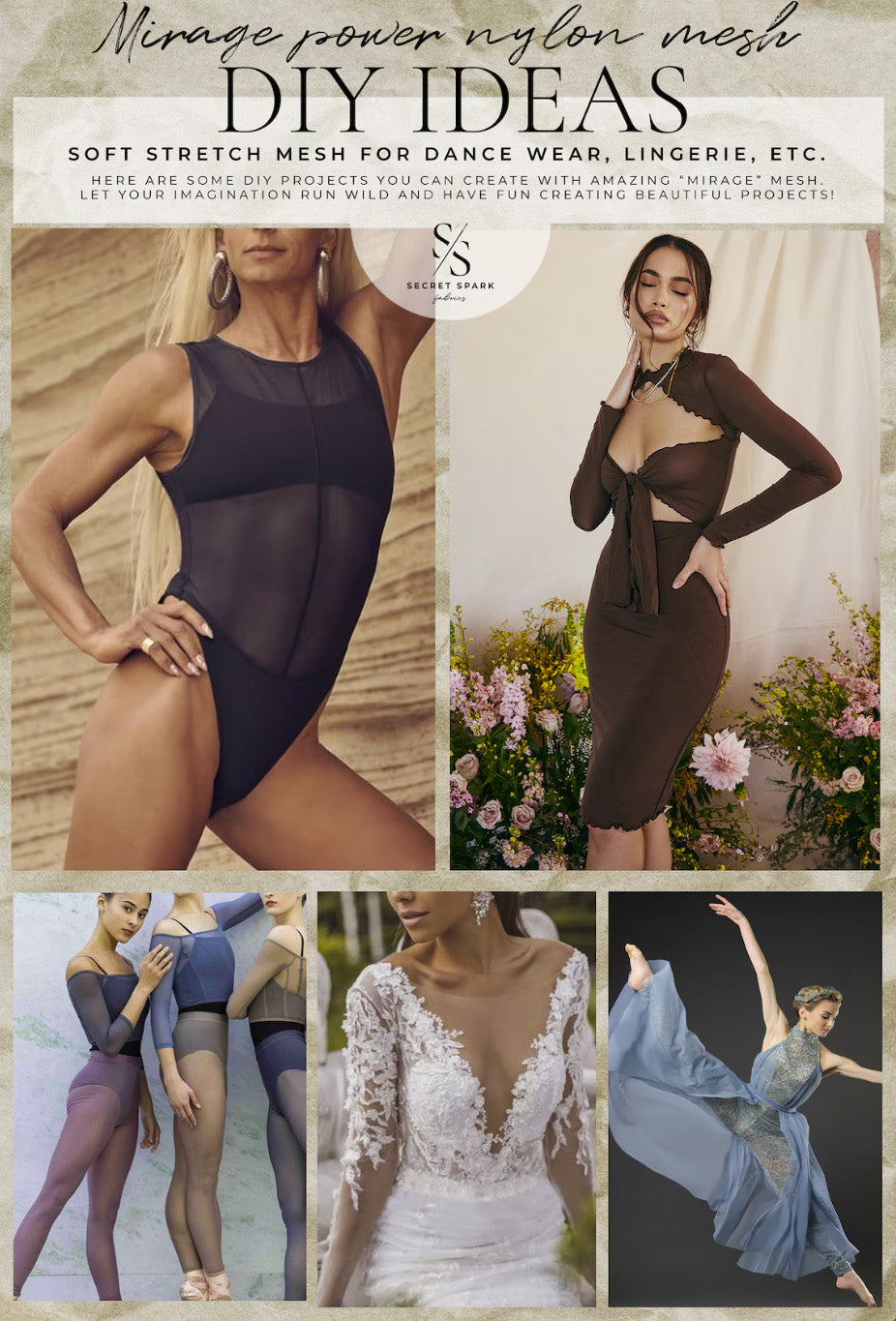
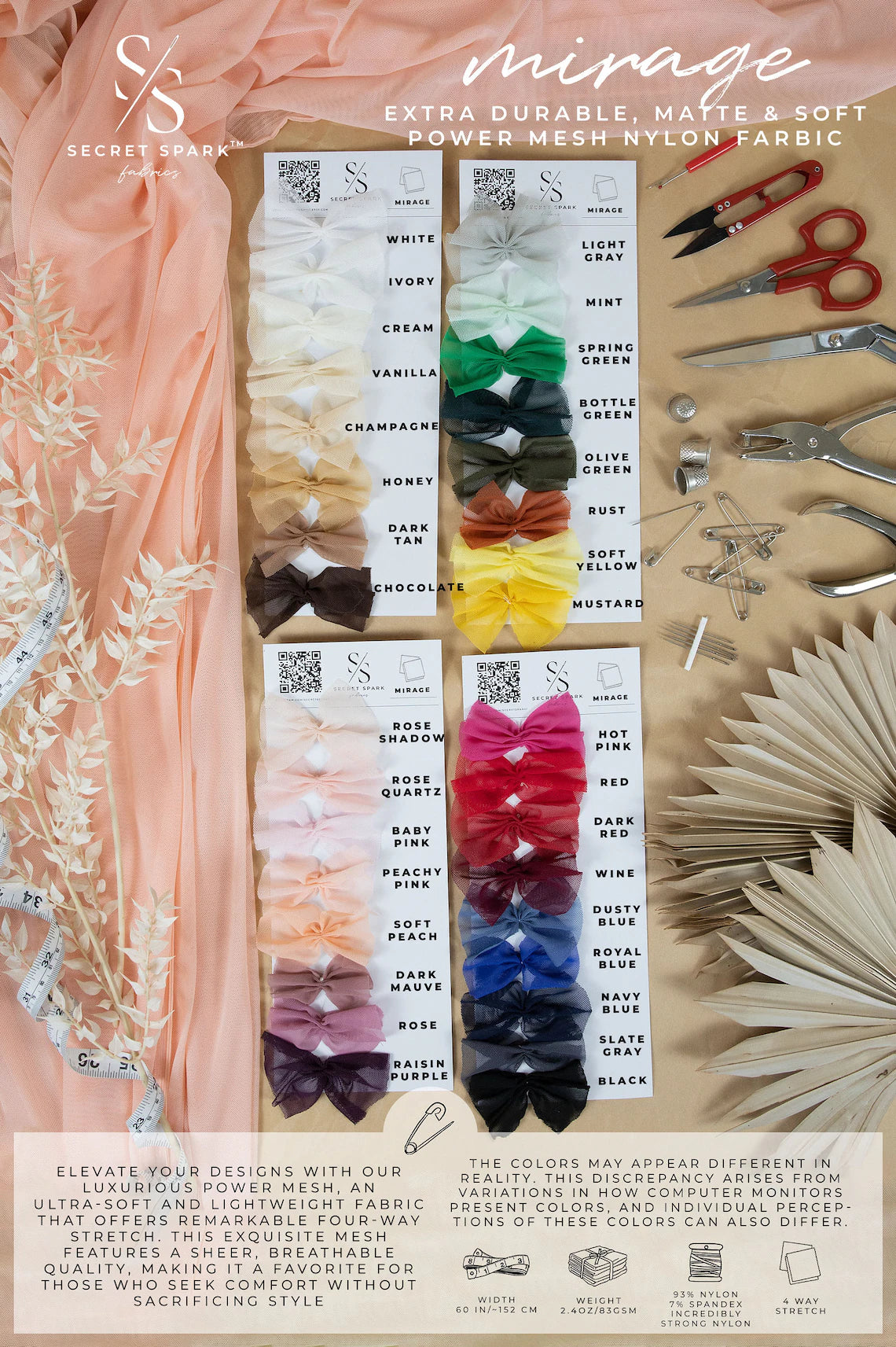
Our swimwear collection features fabrics with high elastane content for four-way stretch recovery fabrics treated for UV resistance and weight options that range from lightweight competition suits to lined beach cover ups. The key to successful swimwear construction is choosing a fabric with the right balance of compression support and comfort. Layer swimwear fabric with our power mesh for built-in support panels that hold their shape when wet.
THREE SWIMWEAR FABRIC APPLICATIONS WE CARRY
1) Competitive swimwear. Competition suits demand maximum compression minimal drag and complete freedom of movement. The fabric needs to stay in place during starts turns and dives without riding up or becoming transparent when stretched. Four-way stretch fabrics with higher elastane content deliver the compression that athletes need:
a) Full coverage competition suits with four-way stretch that compress muscles and reduce drag in the water
b) Mesh panel inserts in strategic locations for breathability while maintaining the compression profile
c) Lined suits where the outer fabric carries the color and the lining adds opacity when the outer layer stretches wet
2) Resort and leisure swimwear. Beach cover ups resort dresses and casual swim separates prioritize comfort and style over compression. These garments need enough stretch to fit different body types and enough durability to survive salt water sun and repeated washing. Our chiffon works beautifully as beach cover up panels that float over swimwear without absorbing water weight.
3) Active water sports. Surfing paddleboarding and water aerobics all require swimwear that stays in place through aggressive movement and extended water exposure. Fabrics for active water sports need to resist abrasion from boards and equipment while maintaining their color under UV exposure. Chlorine resistance is essential for pool based activities.
SEWING SWIMWEAR FABRICS
Swimwear construction requires stretch specific techniques. Use a ballpoint or stretch needle (75/11) that slides between fibers rather than piercing them. A narrow zigzag stitch accommodates the four-way stretch and prevents seam popping during wear. Never use cotton thread on swimwear as it will deteriorate in chlorine and salt water. Polyester thread is the only choice for swimwear seams.
Always pre-stretch the fabric slightly before cutting to account for recovery. A swimwear pattern should be drafted smaller than the body measurements since the fabric will stretch to fit during wear.
All our swimwear fabrics are sold by the yard with no minimum. Shipped fast worldwide with every yard rolled and protected. Questions about stretch percentage or lining recommendations for your swimwear project? Reach out anytime.